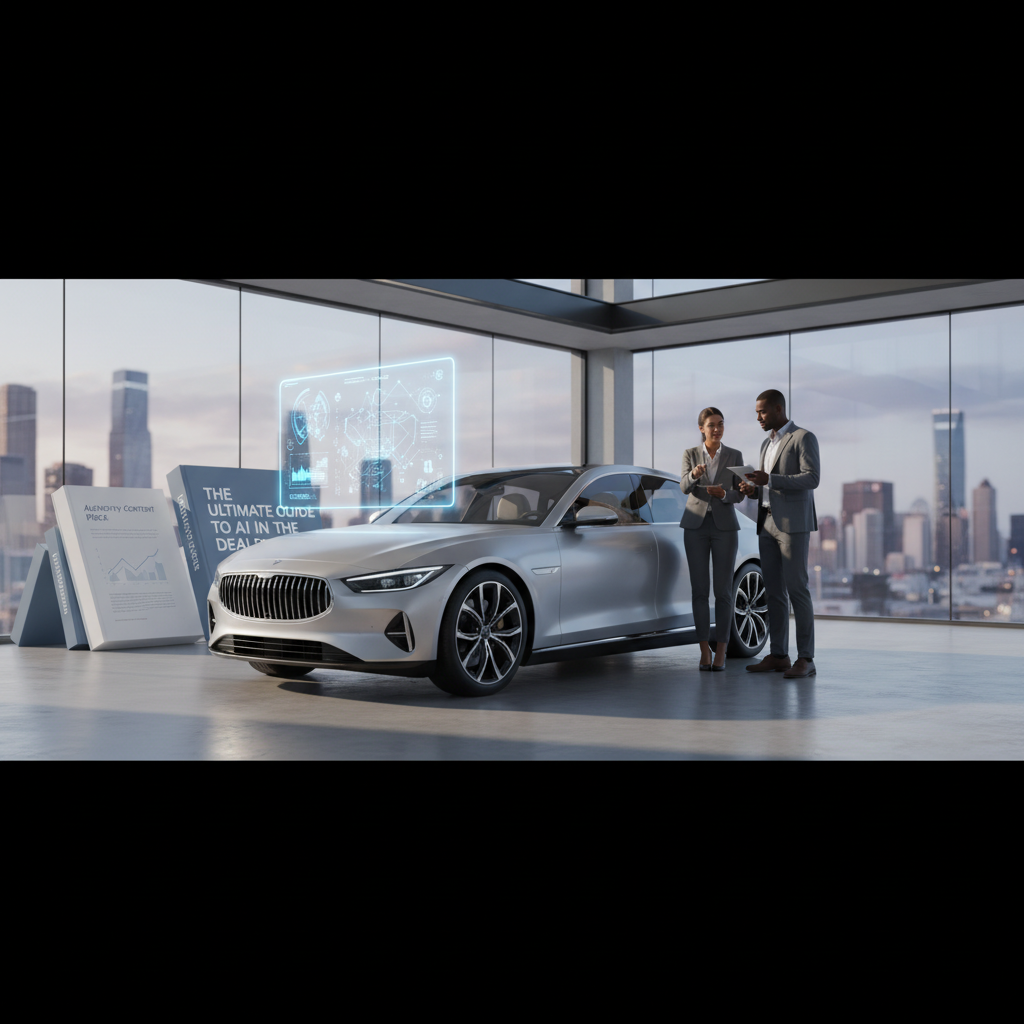
The Ultimate Guide to AI in the Dealership: Future-Proofing Your Showroom
The modern automotive landscape is shifting rapidly as artificial intelligence moves from a luxury to a necessity for high-volume retailers. IgniteUps.ai provides the roadmap for dealers looking to leverage machine learning to streamline operations and maximize profitability.
At IgniteUps.ai, we understand the specific nuances of the local automotive market, helping dealerships stay ahead of regional competition through data-driven strategies and cutting-edge automation tailored for nearby showrooms.
Revolutionizing Lead Capture with Predictive Analytics
Gone are the days of manual follow-ups and missed opportunities. AI-driven lead management systems analyze customer behavior in real-time to prioritize high-intent buyers, ensuring your sales team focuses their energy where it matters most. By predicting which customers are ready to close, you can reduce your cost per acquisition significantly.
Dynamic Inventory Optimization and Pricing
Maintaining the right mix of vehicles on your lot requires more than just intuition. AI algorithms process local market trends, seasonal demand, and historical sales data to suggest the ideal inventory levels. These tools also enable dynamic pricing models that adjust to market fluctuations, keeping your dealership competitive and your turn-rate high.
Personalizing the Digital Retailing Experience
Today’s car buyers perform 90% of their research online. AI enhances this journey by offering personalized vehicle recommendations and automated concierge services via dealership websites. By tailoring the digital experience to individual preferences, dealerships can build trust and rapport long before the customer steps onto the physical lot.
Operational Efficiency and Fixed Ops Automation
AI extends beyond the sales floor into the service bay. Intelligent scheduling systems and predictive maintenance alerts help dealerships manage their service capacity more effectively. Automating routine administrative tasks allows your staff to focus on high-touch customer service, increasing overall satisfaction scores and long-term loyalty.
Streamlining the Sales Process with AI-Powered CRM Integrations
Integrating AI into your dealership's Customer Relationship Management (CRM) system fundamentally transforms the sales workflow. Our IgniteUps.ai platform, for example, connects directly with major CRMs like DealerSocket and VinSolutions. This integration allows AI to analyze customer interactions, identify buying signals, and even draft personalized follow-up emails, saving sales reps an average of 2-3 hours per day on administrative tasks. The AI monitors communication channels, flagging prospects who've viewed specific vehicle pages multiple times or engaged with financing calculators. This proactive identification ensures sales teams engage with the hottest leads, improving conversion rates by an estimated 15-20% within the first six months of deployment. The system learns from each interaction, refining its predictions and suggestions to continuously optimize the sales pipeline.
Understanding AI Implementation Costs and Value Drivers
The cost of implementing AI solutions in a dealership varies significantly, typically ranging from $1,500 to $10,000 per month, depending on the scope and sophistication of the features. Key cost drivers include the number of AI modules (e.g., lead scoring, inventory optimization, fixed ops), the volume of data processed, and the level of integration required with existing DMS and CRM systems. For a multi-rooftop dealership group, a comprehensive AI suite might cost upwards of $8,000 monthly, whereas a single independent dealership might start with a focused lead-scoring tool for around $2,000. It's crucial to evaluate the ROI: a 10% increase in lead conversion or a 5% reduction in inventory holding costs can quickly offset these investments, making AI a net positive for profitability rather than a pure expense.
Leveraging Local Market Insights: AI for the Los Angeles Dealership
For dealerships in the Los Angeles area, AI provides invaluable local market context. Our algorithms analyze localized data points such as traffic patterns on the 405 freeway affecting customer visits, demographic shifts in neighborhoods like Beverly Hills versus the San Fernando Valley influencing luxury vs. economy vehicle demand, and even specific city ordinances impacting vehicle modifications or charging infrastructure. For instance, an AI can identify a surge in electric vehicle interest in Santa Monica due to local charging incentives, prompting adjustments in inventory and marketing efforts. It can also predict the impact of major events at Dodger Stadium or the Hollywood Bowl on service bay demand, allowing for proactive staffing. This hyper-local intelligence ensures marketing campaigns resonate with specific LA communities and inventory aligns precisely with regional preferences.
Selecting the Right AI Provider: Key Criteria for Dealerships
Choosing an AI provider requires careful consideration beyond just features. Prioritize providers with demonstrable automotive industry expertise and a proven track record, evidenced by case studies with dealerships similar to yours. Look for seamless integration capabilities with your existing Dealer Management System (DMS) and CRM to avoid data silos. Scalability is also crucial; ensure the platform can grow with your dealership and accommodate future AI advancements. Transparent pricing models, comprehensive training, and robust ongoing support are non-negotiable. Finally, ask about their data security protocols, ensuring compliance with industry standards and customer privacy regulations, especially concerning sensitive customer information. A pilot program with a small subset of operations can be an excellent way to evaluate a provider before a full rollout.
Avoiding Common AI Implementation Pitfalls in Dealerships
Dealerships often encounter several pitfalls during AI adoption. One common mistake is neglecting data quality; AI is only as good as the data it processes. Inaccurate or incomplete data leads to flawed insights and poor recommendations. Another error is failing to involve staff early in the process; resistance to change can derail even the best technology. Provide thorough training and clearly articulate the benefits for individual roles. Over-automation, where human oversight is completely removed, can also lead to customer dissatisfaction if AI responses feel impersonal. Finally, expecting immediate, revolutionary results without iterative refinement is unrealistic. AI implementation is a continuous process of learning and optimization, requiring patience and consistent monitoring to achieve its full potential in enhancing efficiency and profitability.
Frequently asked questions
How does AI improve dealership lead response times?
AI platforms use instant chatbots and automated workflows to engage leads 24/7, providing immediate answers while your sales team is busy or off-site.
Will AI replace human sales consultants at dealerships?
No, AI is designed to augment human performance by removing tedious data entry and helping staff focus on building emotional connections with buyers.
Is AI technology affordable for independent dealerships?
Yes, many AI solutions are scalable, allowing independent dealers to compete with larger groups by optimizing their specific local market data.
Can AI help with vehicle trade-in valuations?
AI tools analyze thousands of data points from wholesale auctions and retail sales to provide highly accurate, transparent trade-in offers.
Does AI integrate with existing Dealer Management Systems (DMS)?
Most modern AI platforms like IgniteUps.ai are built to integrate seamlessly with major DMS and CRM providers for a unified data stream.
What AI tools can help me with staffing my dealership's service department?
AI-powered scheduling systems analyze historical service data, technician availability, and projected maintenance needs to optimize staffing levels. They can predict peak times and allocate resources efficiently, reducing wait times and increasing service bay utilization by up to 20%.
How does AI help my dealership understand customer sentiment from online reviews?
AI uses natural language processing (NLP) to analyze customer reviews and social media comments. It identifies common themes, positive/negative sentiment, and specific areas for improvement, providing actionable insights without manual sifting through thousands of reviews.
Can AI help my dealership personalize financing options for customers?
Yes, AI can analyze a customer's credit profile, past purchasing behavior, and vehicle preferences to suggest highly personalized financing and lease options. This speeds up the F&I process and improves customer satisfaction by presenting relevant choices upfront.
How can AI reduce the risk of fraud in dealership transactions?
AI algorithms can detect unusual patterns in financial applications, customer data, and transaction histories that might indicate fraudulent activity. By flagging suspicious behaviors in real-time, AI helps prevent losses and ensures compliance with financial regulations.
What is 'predictive marketing' and how does AI enable it for dealerships?
Predictive marketing uses AI to forecast which customers are most likely to purchase a vehicle or require service in the near future. By analyzing vast datasets, AI enables highly targeted campaigns, ensuring marketing spend is directed at high-probability leads, boosting ROI by 25% or more.