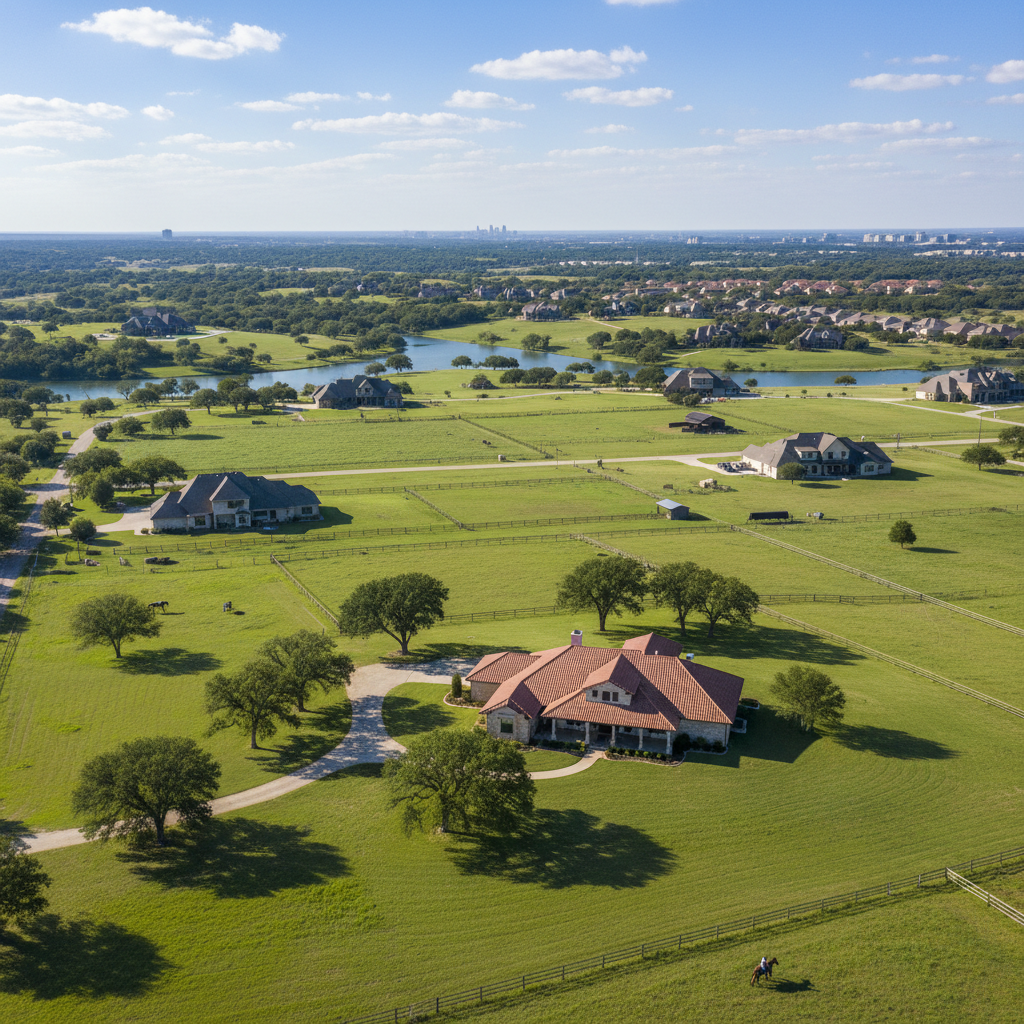
Exclusive Acreage and Ranch Properties in the Greater Austin Area
Discover the freedom of wide-open spaces with Lisa Copeland Real Estate, your premier guide to luxury acreage in Central Texas. Whether you are seeking a quiet ranch in Round Rock or a sprawling estate near Cedar Park, we specialize in finding the perfect plot for your lifestyle.
Serving the vibrant communities across Travis and Williamson Counties, including the corridor along Highway 183 and I-35.
Luxury Land in the Austin Hill Country
Austin is more than just a tech hub; it is a gateway to beautiful rural landscapes. We help buyers navigate the complexities of purchasing sprawling land parcels that offer privacy without sacrificing proximity to the amenities of downtown Austin. From equestrian-ready estates to custom build sites, the possibilities are endless.
Acreage and Horse Properties in Round Rock
Round Rock offers a unique blend of suburban convenience and expansive rural tracts. Many of our clients seek out this area for its fertile soil and established ranch communities. We analyze zoning and agricultural exemptions to ensure your investment in Round Rock land is both functional and financially sound.
Expansive Living in Cedar Park
Cedar Park serves as a perfect location for those wanting acreage near high-performing schools and modern shopping centers. We focus on identifying properties with significant lot sizes that allow for guest houses, private workshops, or extensive outdoor living areas in the heart of the Texas Hill Country.
Navigating Rural Real Estate Transactions
Buying acreage requires specialized knowledge regarding mineral rights, utility access, and land surveys. With decades of experience in the Greater Austin market, Lisa Copeland provides the technical expertise needed to evaluate raw land and improved rural properties, ensuring a smooth transition to your new country lifestyle.
Understanding Acreage Property Pricing in Central Texas
The cost of acreage properties in the Austin metropolitan area, including Round Rock and Cedar Park, is influenced by several key factors. Proximity to urban centers like Downtown Austin can drive per-acre prices significantly higher, with parcels inside Loop 1 roughly 20-30% more expensive than comparable land just 15 miles further out. Essential utilities such as municipal water, sewer, and high-speed internet access can add $5,000-$15,000 per acre in value, particularly for properties designated for immediate development. Topography plays a crucial role; flatter, buildable land typically commands a premium over steeply sloped or heavily wooded parcels. Additionally, existing infrastructure like well-maintained access roads, cross-fencing, or even a pre-existing septic system can increase a property's market value by 10-15%. We analyze these elements to provide clear, actionable insights into property valuations.
Navigating the Purchase Process for Rural Land
Buying acreage involves a detailed acquisition process unique to rural real estate. Our team guides clients through each step, starting with an extensive property search leveraging proprietary mapping tools to identify parcels zoned for agricultural, residential, or mixed-use. Once a suitable property is identified, we initiate a comprehensive due diligence phase. This includes securing environmental site assessments to identify any potential hazards, ordering detailed land surveys to confirm boundary lines and easements, and reviewing all applicable deed restrictions and local ordinances. We then assist with negotiating purchase agreements, often including contingencies for well drilling, septic system installation, or specific agricultural exemptions. Our goal is a smooth transaction, culminating in a successful closing that meets all legal and client-specific requirements.
Specific Local Market Insights: Georgetown and Hutto Acreage
Beyond Austin, Round Rock, and Cedar Park, markets like Georgetown and Hutto offer compelling acreage opportunities. Georgetown's growth corridor along Ronald Reagan Boulevard has seen a surge in demand for 5-20 acre tracts suitable for custom homes, with average prices in this area ranging from $60,000 to $90,000 per acre depending on utility access. Hutto, known for its agricultural roots and expanding city limits, provides excellent value for larger parcels (10+ acres) ideal for equestrian facilities or small farms. Properties near Highway 79 in Hutto, particularly those outside the city's ETJ (Extra-Territorial Jurisdiction), often benefit from lower property taxes and fewer building restrictions, presenting a significant advantage for buyers seeking more autonomy over their land use.
Choosing the Right Broker for Your Acreage Search
Selecting a real estate broker with specialized expertise in acreage properites is paramount. Look for a broker who doesn't just sell residential homes, but actively focuses on rural land transactions. Key indicators of an expert include membership in the Texas Land Brokers Council, a proven track record of sales involving agricultural exemptions, knowledge of well and septic system regulations in Williamson and Travis Counties, and familiarity with regional water districts like LCRA. An experienced broker, like Lisa Copeland, will utilize drone photography for comprehensive property overviews, understand the nuances of mineral rights clauses, and have established relationships with reputable land surveyors and environmental consultants. This specialized insight directly translates into better property matches and smoother transactions for buyers.
Avoiding Common Pitfalls in Acreage Purchases
Many buyers make avoidable mistakes when purchasing rural land. One common error is neglecting to thoroughly research utility access; assuming power or water lines are easily extended can lead to unexpected costs upwards of $20,000-$50,000. Another pitfall is overlooking flood plain designations or critical environmental features, which can severely limit buildability or require expensive mitigation. Buyers often misinterpret agricultural exemptions, failing to realize the specific requirements for maintaining them, potentially losing significant property tax savings. Finally, not obtaining an up-to-date survey can lead to boundary disputes with neighbors, costing thousands in legal fees. Lisa Copeland's team proactively addresses these issues through exhaustive due diligence, ensuring clients are fully informed and protected against costly oversights.
Frequently asked questions
What should I look for when buying acreage in Austin?
Key factors include utility availability, deed restrictions, topography for building, and whether the property has an existing agricultural tax exemption.
Are there many 10+ acre tracts left near Cedar Park?
While land is becoming more scarce, there are still secluded pockets and legacy tracts available if you have an experienced agent with access to off-market listings.
How do property taxes work on land in Round Rock?
Taxes vary by school district, but many larger parcels qualify for Ag-timber or wildlife exemptions which can significantly lower your annual tax burden.
Can I build a second home or ADU on my acreage?
This depends on local zoning laws in Austin, Round Rock, or Cedar Park, as well as specific HOA or deed restrictions tied to the land parcel.
What is the benefit of working with Lisa Copeland for land sales?
Lisa brings hyperlocal expertise, a deep network of land surveyors and contractors, and a proven track record of negotiating complex rural real estate deals.
What does 'agricultural exemption' mean for my property taxes on acreage in Texas?
An agricultural exemption, often called a '1-d-1' or 'ag valuation,' reduces your property's taxable value based on its agricultural productivity rather than market value. This can significantly lower your annual property tax bill, sometimes by 50% or more, if you actively use the land for farming, ranching, or timber production per county guidelines.
Can I get a loan for raw land, or do I need to pay cash?
While cash is often preferred for raw land, financing is available. Traditional banks may require a larger down payment (20-30%) and offer shorter loan terms than for developed properties. Specialized lenders focusing on rural land or farm credit institutions often provide more favorable terms, understanding the unique nature of acreage loans.
How do I check for water rights on a property I'm interested in?
Water rights in Texas are complex. To check, you'll need to review the property's deed, which may specify water rights. Additionally, contact the Texas Commission on Environmental Quality (TCEQ) for surface water rights, and the local Groundwater Conservation District (GCD) for information on well permits and groundwater availability in your area.
What are deed restrictions, and how do they affect building on acreage?
Deed restrictions are private agreements that 'run with the land' and dictate how a property can be used. They can restrict things like minimum home size, types of animals allowed, fencing materials, or even the style of architecture. Always review deed restrictions carefully before purchasing, as they can significantly impact your plans for the land.
Should I be concerned about wildlife or native plants on my future acreage?
Yes, depending on the property's location and size, you might encounter various wildlife or protected plant species. It's wise to be aware of local regulations regarding endangered species or their habitats. This could affect development plans or require specific permitting, especially in areas near preserves or natural waterways.