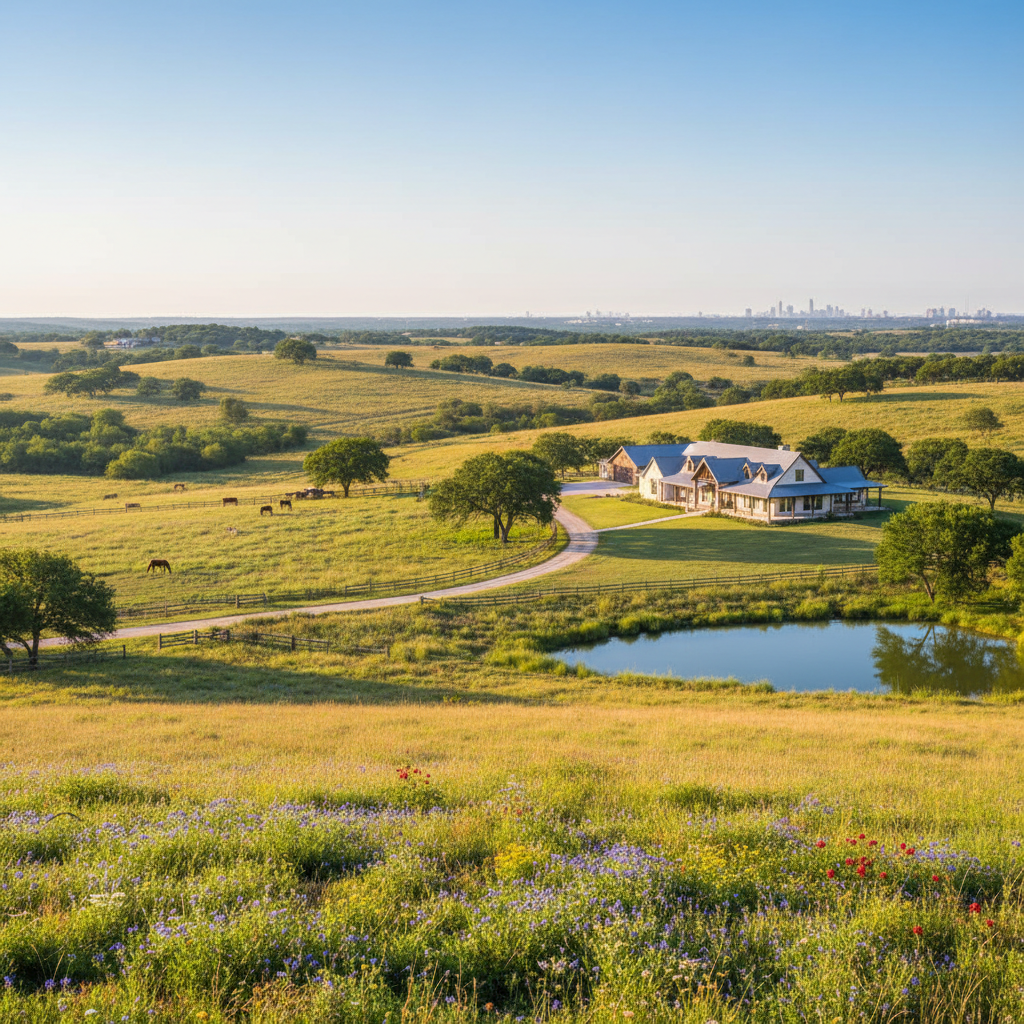
Acreage properties are parcels of land, typically larger than standard residential lots, often outside of densely populated urban or suburban areas, intended for a variety of uses including residential building, agricultural activities, or recreational purposes.
Deeply familiar with the Central Texas corridor including Hays, Travis, and Williamson counties, Lisa Copeland understands the specific soil types and zoning ordinances that impact property value from Spicewood to Round Mountain.
The Evolution of Austin Ranch Land
Navigating Water Rights and Ag Exemptions
Essential Infrastructure for Rural Estates
Strategic Land Procurement in Central Texas
How it works
- 1Initial Consultation & Needs Assessment: Define your specific acreage requirements, property use goals, and preferred location within Dripping Springs or Liberty Hill.
- 2Targeted Property Search & Expert Vetting: We identify suitable listings, conducting preliminary research on zoning, utilities, and potential tax exemptions for each.
- 3Comprehensive Property Evaluation & Due Diligence: Facilitate site visits, connect you with specialists for surveys and environmental checks, and thoroughly review all property documentation.
- 4Strategic Offer & Negotiation: Craft competitive offers and negotiate on your behalf, focusing on securing favorable terms that account for unique land-specific aspects.
- 5Closing & Post-Purchase Support: Guide you through the closing process, provide resources for establishing utilities, maintaining Ag-exemptions, and connecting you with local land management services.
Why choose us
- Deep local expertise in Dripping Springs & Liberty Hill land markets.
- Proven track record in successful negotiations for complex land transactions.
- Extensive network of local specialists for surveys, wells, and land management.
Frequently asked questions
What is a 1-d-1 Open Space appraisal in Texas?
A 1-d-1 appraisal, or Ag Exemption, allows land to be taxed based on its agricultural productivity rather than its market value, significantly reducing annual property taxes for eligible Austin acreage.
How many acres do I need for a wildlife exemption near Austin?
Requirements vary by county, but most Central Texas areas like Travis or Hays County require a minimum of 10 to 20 acres to transition from an existing agricultural use to wildlife management.
Is internet access available on remote Austin ranches?
While traditional cable is rare, many Hill Country properties now utilize Starlink satellite services or specialized point-to-point microwave internet to achieve high-speed connectivity.
What should I check regarding water wells in Central Texas?
Buyers should conduct a well log review and a 4-hour drawdown test to verify the gallons per minute (GPM) and the overall health of the pump system within the local aquifer.
Are there specific financing options for Texas land?
Yes, rural land is often financed through specialized lenders like Texas Farm Credit, which offer different terms and down payment requirements than standard residential mortgages.