Investment Properties Near UT Austin: Strategic Real Estate Portfolios
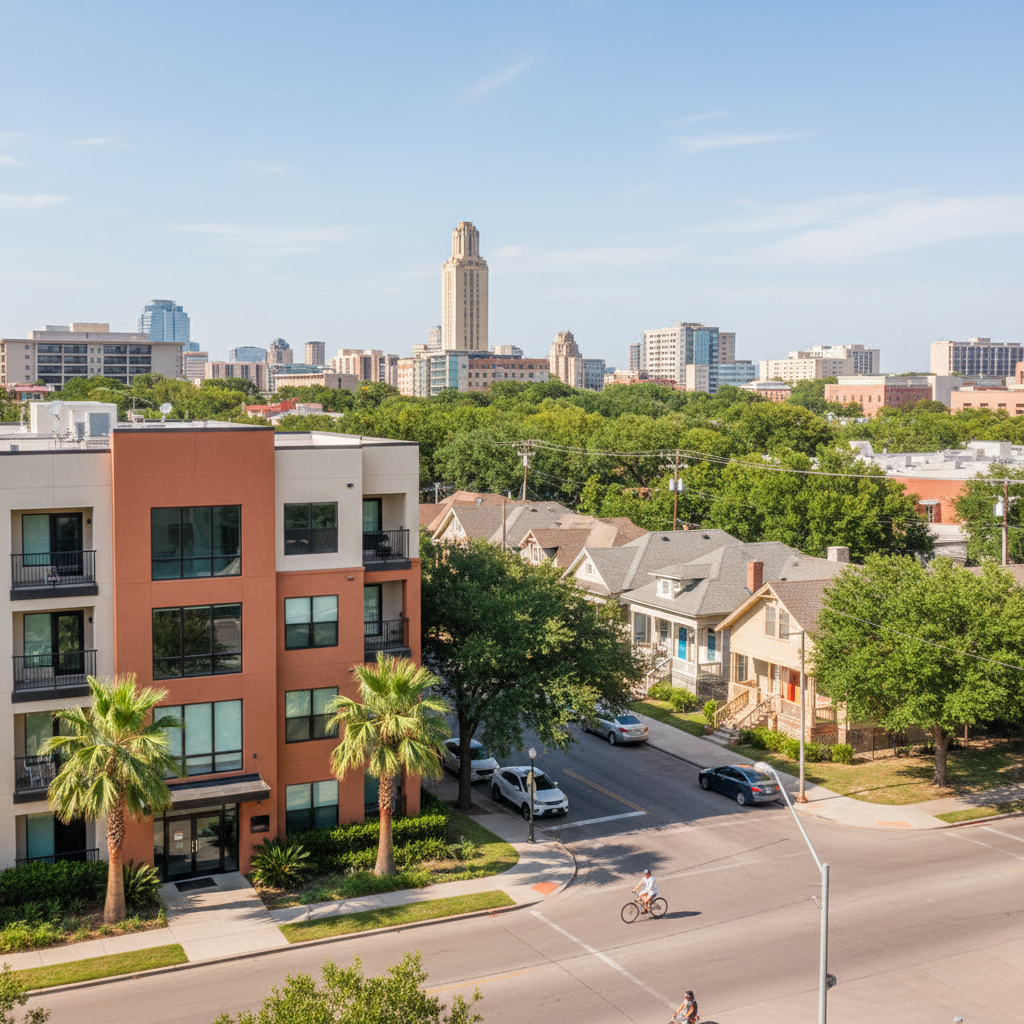
Investment properties near UT Austin are residential real estate assets located within a three-mile radius of the University of Texas at Austin campus, specifically targeting student and faculty tenants. These properties, ranging from luxury high-rise condos to historic multi-family units, offer unique capital appreciation and consistent high occupancy rates in the Central Austin corridor.
An investment property near UT Austin is a real estate asset, typically a condo, duplex, or small home, acquired specifically to generate rental income from students, faculty, or staff associated with the University of Texas at Austin. This niche market is characterized by consistent demand driven by the large university population.
Deeply embedded in the Austin community, our office is minutes away from iconic landmarks like the UT Tower and the Dell Medical School, giving us boots-on-the-ground insights into local zoning changes and neighborhood association shifts.
Why Austin Student Housing is a Blue-Chip Investment
The University of Texas at Austin anchors the local rental market with over 52,000 students and 21,000 faculty members. Unlike traditional real estate markets, the demand for housing in ZIP codes 78705 and 78751 remains resilient during economic downturns. Investors benefit from a localized 'recession-proof' micro-economy driven by consistent enrollment growth and a chronic undersupply of on-campus housing options.
Top Neighborhoods for UT Austin Rentals
West Campus is the primary hub for high-density student living, characterized by high-rise condominiums and proximity to the Drag. North University offers a quieter, more residential feel with vintage bungalows and triplexes popular among graduate students. Hyde Park and Hancock provide a blend of suburban aesthetics and urban accessibility, providing long-term appreciation for investors seeking stable equity growth.
The Lisa Copeland Advantage: Data-Driven Selection
Navigating the Austin real estate market requires more than a standard MLS search. We analyze capitalization (Cap) rates, effective gross income (EGI), and historical vacancy data specifically for the West Campus and North University districts. Our team identifies off-market opportunities and provides comprehensive pro-forma statements to ensure your investment aligns with your 5-year or 10-year wealth strategy.
Navigating the SMART Housing Program
Many new developments near UT Austin are subject to the City of Austin's SMART Housing program. This initiative requires developers to reserve a percentage of units for lower-income residents in exchange for fee waivers. We help investors understand how these regulatory requirements impact property management, tenant screening, and eventual resale value in the current Austin regulatory landscape.
The Investment Property Acquisition Process with Lisa Copeland
Investing in properties near UT Austin involves a structured approach to maximize returns. Our process begins with an in-depth consultation to understand your financial goals, risk tolerance, and preferred investment horizon. We then leverage proprietary data analytics, including rent comparables from complexes like The Standard at Austin and 2400 Nueces, to identify properties that align with your criteria. Once potential properties are identified, we facilitate detailed financial modeling, projecting cash flow, debt service coverage ratios, and potential appreciation. We guide you through due diligence, collaborating with trusted local inspectors familiar with Austin's older housing stock and new construction. Our negotiation strategy is informed by real-time market conditions, aiming for optimal purchase prices. Finally, we assist with closing procedures, ensuring a seamless transaction and preparing you for immediate rental market entry, often within weeks of closing.
Understanding Investment Costs & Value Drivers in Austin's UT Market
The cost of investment properties near UT Austin is primarily driven by proximity to campus, unit size, and amenity packages. A studio in West Campus can start from mid-$300,000s, while a multi-bedroom unit in a luxury building like Moontower could exceed $1 million. Key value drivers include walkability to academic buildings, access to public transport (CapMetro routes), and desirable building features such as fitness centers, study lounges, and rooftop pools. Property taxes in Travis County, averaging around 1.8-2.2% of assessed value, are a significant ongoing cost. Additionally, HOA fees for condominiums in high-rise developments can range from $300 to over $1,000 monthly, covering shared amenities and building maintenance. Understanding these varying cost components and their impact on net operating income is crucial for accurate investment forecasting and maximizing your Cap rate.
Navigating Austin's Permitting & Rental Regulations for Investors
Austin's dynamic real estate market is shaped by specific local regulations that impact investment properties. The City of Austin has strict Short-Term Rental (STR) ordinances, particularly for Type 2 (non-owner occupied) rentals, which are severely restricted in residential zones, often making traditional Airbnb strategies challenging. Furthermore, properties within the University Neighborhood Overlay (UNO) zoning district have specific development and density requirements. Investors must also be aware of the city's Tenant Protection Ordinances, including mandatory notice periods for rent increases and eviction procedures. Engaging with a local expert like Lisa Copeland ensures compliance with these intricate rules, helping you avoid potential fines and legal complications, thereby safeguarding your investment and ensuring smooth tenant relations. We also stay updated on proposed changes to the Land Development Code affecting future property values.
Choosing the Right Real Estate Partner for Your UT Austin Investment
Selecting a real estate professional for UT Austin investment properties requires specialized expertise beyond general residential sales. Look for a partner with a deep understanding of student housing market dynamics, including pre-leasing cycles, typical tenant demographics for areas like Guadalupe Street, and rent growth trends specific to ZIP codes 78705 and 78751. Your agent should demonstrate proficiency in investment analysis, including calculating Net Operating Income (NOI), Cap rates, and return on investment (ROI) for various property types. Verify their access to off-market opportunities and their relationships with property management companies specializing in student rentals. Lisa Copeland offers a proven track record, backed by testimonials from successful investors who have leveraged her insights to build profitable portfolios in this highly competitive niche, focusing on measurable financial outcomes, not just property listings.
Common Pitfalls for UT Austin Real Estate Investors & How to Avoid Them
Many investors new to the UT Austin market make critical errors that can diminish returns. A common mistake is underestimating the impact of property management costs and potential vacancies during summer months if not properly pre-leased. Another pitfall is neglecting thorough due diligence on older properties, leading to unexpected repair expenses for HVAC systems or plumbing in vintage bungalows in North Campus. Investors often overlook the nuances of the student rental lease cycle, missing prime pre-leasing windows typically starting in October for leases beginning the following August. Failing to account for Austin's rising property tax assessments is another significant oversight that can skew financial projections. Lisa Copeland helps mitigate these risks by providing realistic financial modeling, connecting clients with reputable property managers, and guiding them through a proactive leasing strategy calibrated to the academic calendar, ensuring consistent rental income.
How it works
1Initial Consultation & Investment Goal Setting: Discuss your financial objectives, risk tolerance, and specific criteria for a UT Austin investment property.
2Targeted Property Search & Market Analysis: Leverage our local expertise to identify suitable properties near UT, providing detailed market data, rental comparables, and appreciation trends.
3Due Diligence & Offer Strategy: Conduct thorough analysis of income potential, expenses, zoning, and STR regulations; develop a competitive offer strategy.
4Closing & Post-Purchase Support: Guide you through negotiations, inspections, and closing, and connect you with trusted property management and legal resources.
Why choose us
Deep understanding of Austin's unique zoning and STR policies.
Proven track record in analyzing and securing high-yield investment properties.
Extensive network of local property managers and contractors specializing in student rentals.
Frequently asked questions
What is the average rental yield near UT Austin?
Typical cash-on-cash returns for UT Austin investment properties range from 4% to 6%, though total ROI often exceeds this when factoring in Austin's historically high annual appreciation rates.
Which neighborhood has the highest occupancy rate near UT?
West Campus (78705) consistently maintains an occupancy rate above 98% due to its walking distance to the main campus and major Greek life housing.
Are condos or single-family homes better for UT Austin investments?
Condos in West Campus offer lower maintenance and higher density, while single-family homes in North University or Hyde Park offer higher land value and potential for future site redevelopment.
How does the academic calendar affect the Austin rental cycle?
The Austin student rental market typically follows a pre-leasing cycle starting in October for the following August move-in, making Q4 the critical period for securing tenants.
Does Lisa Copeland assist with property management after purchase?
Yes, we provide referrals to specialized Austin property management firms and offer consulting on tenant placement, lease structuring, and standard maintenance for student rentals.
What kind of return on investment can I expect from a UT Austin property?
While specific returns vary, well-managed investment properties near UT Austin typically offer annual cash-on-cash returns ranging from 4-8% for established condos, coupled with potential capital appreciation averaging 5-7% historically for this desirable submarket. New developments may show higher initial cash flow due to demand.
Are there specific times of year when it's best to buy an investment property near UT?
The best time to buy often aligns with slightly lower demand periods, typically late fall or early winter (November-January). This allows you to complete the purchase and prepare for the peak pre-leasing season which usually begins in October for move-ins the following August, securing tenants well in advance.
How do recent interest rate changes impact the Austin investment property market?
Higher interest rates generally increase borrowing costs, potentially slowing appreciation or increasing debt service payments for new purchases. However, robust rental demand near UT Austin often helps offset this, as tenants may opt to rent longer, supporting strong rental income and making the market resilient for investors.
What are the biggest challenges investors face in the UT Austin student housing market?
Key challenges include navigating competitive multiple-offer situations, managing property wear and tear common with student rentals, and staying updated on evolving city regulations like the SMART Housing program requirements. Tenant turnover and ensuring full occupancy during summer months can also be a challenge without proper planning.
Can Lisa Copeland help me find off-market investment opportunities near UT Austin?
Yes, leveraging an extensive network and deep market penetration, Lisa Copeland often has access to off-market investment properties before they hit the general MLS. This gives her clients a significant advantage in securing desirable units in high-demand areas like West Campus or North University, often leading to better deals.